
What is Four Pillars Community Housing?
Four Pillars Community Housing is a social enterprise tackling Canada’s housing crisis through innovative community solutions. We connect homeowners, non-profits, realtors, and manufacturers to create affordable housing opportunities, specialising in Accessory Dwelling Units (ADUs). Our Canibuild Platform provides practical tools whilst mobilising Canadians to take action with their properties, savings, and voices.
How does Four Pillars' social enterprise model work?
We create sustainable housing that doesn’t rely on government funding. Revenue-generating projects (like an Indigenous arts hotel) subsidise affordable housing units without ongoing taxpayer support. This builds communities that support themselves whilst creating long-term housing solutions.
What is an ADU, and why should I consider building one?
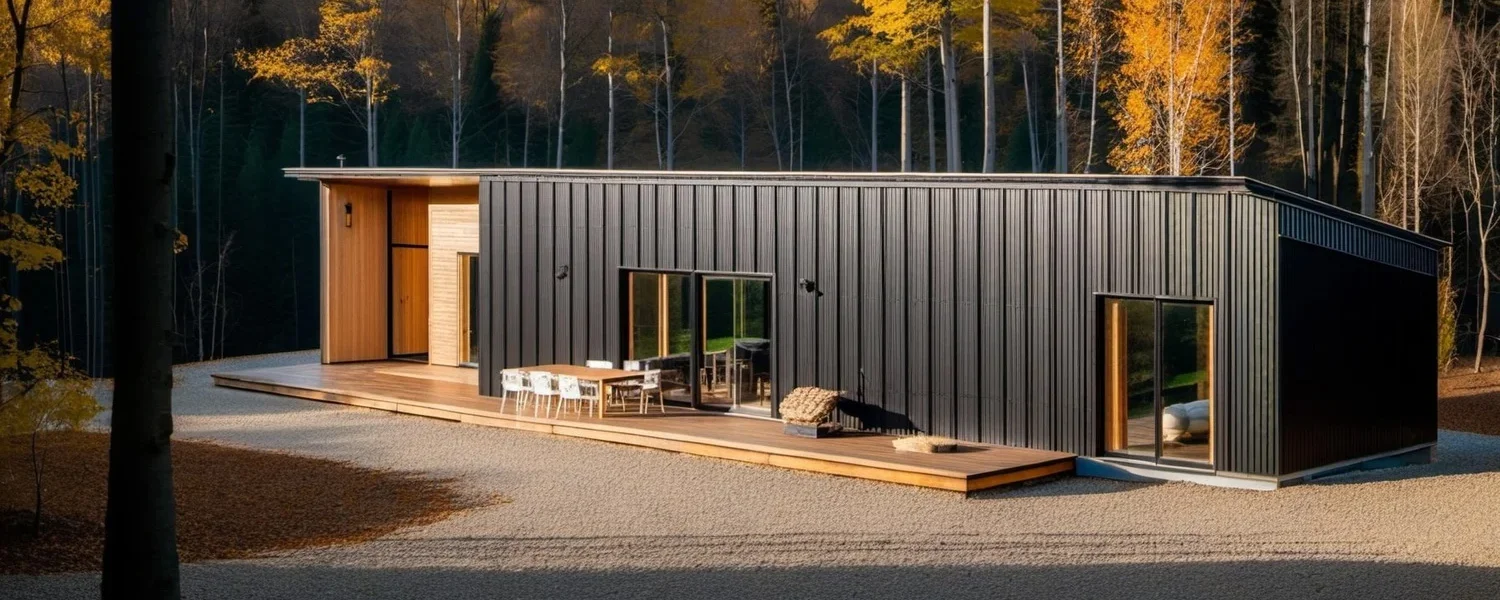
An Accessory Dwelling Unit (ADU)—also called a laneway home, garden suite, or secondary suite—is a self-contained living space on your property. Build one to generate rental income, house aging parents or adult children, increase property value, or address your community’s housing shortage. They range from studios to three bedrooms and can be detached structures, garage conversions, or home additions.
What is the Canibuild Platform?
I'm interested in building an ADU. Where do I start?
How much does it cost to build an ADU?
Costs range from $50,000 for a small studio conversion to $200,000+ for a larger custom unit. Prefab and modular options often cost less than traditional site-built construction. Financing options include home equity loans, lines of credit, construction loans, and special ADU grant programmes. We connect you with financing experts who understand ADU-specific lending.
How long does it take to build an ADU?
Expect 12 to 18 months from planning to move-in for traditional site-built ADUs. Prefab and modular units can reduce this to 6 to 9 months since construction happens off-site during permitting. Local approval processes are the biggest time variable, which is why proper planning with tools like Canibuild helps streamline your project.
What's the difference between a junior ADU and a dwelling ADU?
Junior ADUs are 100 to 400 square feet—ideal for backyard offices, studios, or converted garages. Dwelling ADUs are 400 to 1,200 square feet with full kitchens and bathrooms for long-term living. Your property size, local regulations, and intended use determine which works best.
Why work with Four Pillars instead of going directly to a builder?
We provide the complete ecosystem: neutral guidance without sales pressure, connections to multiple vetted providers for comparison, zoning and planning resources that prevent mistakes, and support from concept to completion. Our community impact focus means we’re invested in housing that serves both your needs and broader housing challenges.
How does Four Pillars work with non-profit organisations?
Can realtors benefit from partnering with Four Pillars?
Yes. Realtors who understand ADU potential can offer clients insights on investment opportunities, help buyers see income-generating possibilities, and differentiate themselves in competitive markets. We provide tools, resources, and connections to help clients navigate ADU development, turning properties into income-producing assets for growing or multigenerational families.
What is the Coalition of the Concerned?
A movement of over 10,000 Canadians mobilising their resources to solve the housing crisis. These are homeowners, investors, and professionals creating local housing solutions rather than waiting for others to act. Whether you build an ADU, invest in affordable housing, or advocate for better policies, there’s a place for you.